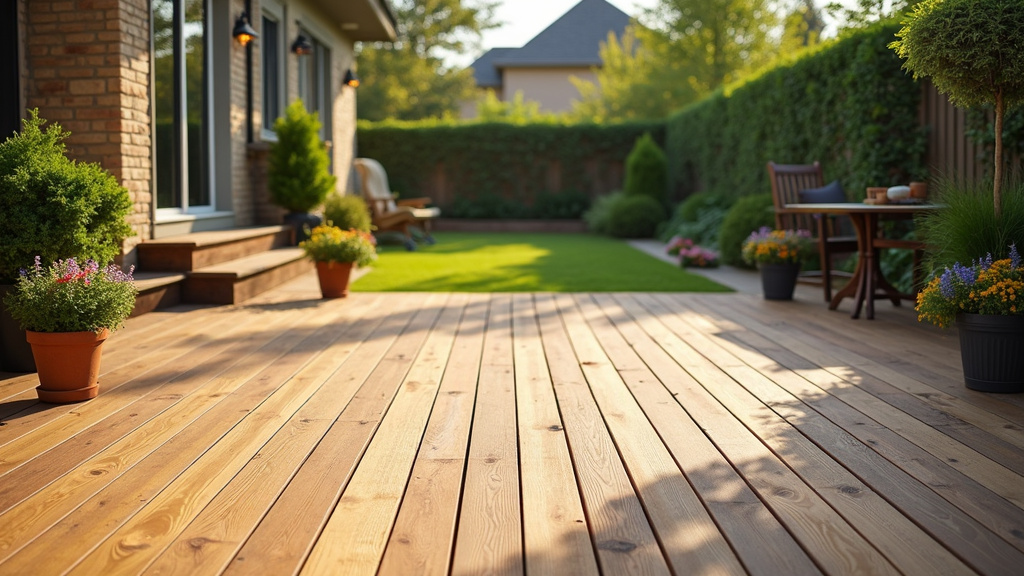
The decks are an integral part of modern outdoor living, expanding homes and communities in countless ways. From family gathering spots to community fundraising venues, they enrich our quality of life. Yet, their construction and maintenance handle a complex web of legal requirements, industry standards, and homeowner association (HOA) regulations. This presents a significant challenge for both homeowners and contractors, as non-compliance can lead to costly fines and disputes. To address this, we’ll explore the intricate dance between local building codes, HOA rules, and the evolving field of deck construction, offering insights into navigating these complexities and ensuring your outdoor oasis complies with all regulations.
Planning and Designing Your Dream Decks
When planning and designing your dream the decks, the initial steps are important to ensure a solid foundation and long-lasting quality. The process begins with understanding local building codes and HOA regulations. Every region has specific guidelines, such as permit requirements, construction materials, and safety standards. In Austin, Texas, you’ll need to check with the local building department and the Homeowners Association (HOA) to ensure your deck complies with all regulations.
Next, consider the structural aspects, especially when deciding between using 2×6 or 2×8 lumber. The choice depends on factors like span, load capacity, and budget. A 2×6 is a common choice for shorter the decks due to its affordability and ease of handling, while a 2×8 is recommended for longer spans or heavier loads. A seasoned deck builder in Austin, like those affiliated with the Deck Builders Association, can provide expert advice based on your specific needs. They’ll consider factors like the deck’s size (for example, a 20×20 deck) and the type of load it will bear (weight of furniture, people, or additional features) to determine the best option.
Deck Contractors in Austin: Where to Start
Looking for deck contractors in Austin, TX? Golden State Builders serves the local area and can answer questions specific to Austin.
Cost estimation is another critical phase. A 20×20 wood deck can range from $5,000 to $15,000, depending on the material quality, design complexity, and the contractor’s fees. According to recent market data, the average cost per square foot for a wood deck is around $150-$300. Custom design features, such as built-in seating, lighting, or a pergola, can significantly increase the price. It’s essential to work with a reputable contractor to avoid overcharging or low-quality work.
The design phase requires careful consideration of functionality, aesthetics, and maintenance. Incorporating elements that enhance outdoor living, like built-in grills or a fire pit, can add value to your property. However, these features should align with your budget and long-term maintenance plans. A well-designed deck can become a central feature for community fundraising events or urban renewal initiatives, enhancing the overall look and value of your neighborhood. Regular deck maintenance programs can ensure your investment remains in top condition for years to come.
Building and Installation: Step-by-Step Guide
Building and installing a deck is a significant home improvement project that can transform outdoor spaces into functional and stylish areas. The process involves multiple steps, from planning and material selection to construction and final touches. In Austin, Texas, where the climate demands durable and weather-resistant the decks, understanding what goes into the process is important.
The first step is obtaining the necessary permits from local building departments and checking with your Homeowners Association (HOA) regulations, especially in community-driven areas. This ensures your deck complies with local building codes and HOA guidelines, avoiding potential legal issues. In Austin, where the hot summers and occasional droughts necessitate water-efficient landscaping, some HOAs may have specific requirements for deck materials and design. Once approved, site preparation begins, which includes clearing the area, grading, and installing footings. This foundational work is critical for a solid deck that can withstand Austin’s variable weather, including occasional severe thunderstorms.
Material selection is a key decision point. For a 20×20 wood deck, the average cost can range from $7,000 to $12,000, depending on the type of wood and the level of craftsmanship. Pressure-treated pine is a popular choice for its affordability and resistance to rot and insects. When building in Austin, it’s advisable to opt for materials that can handle the region’s high UV exposure, which can fade or weaken some woods over time. The best time to build a deck in Austin is during the fall or spring, when temperatures are moderate and the risk of extreme weather is lower. This allows for a more comfortable construction environment and quicker drying times for concrete footings.
Assembly involves framing, adding joists, and installing decking boards. Professional deck builders in Austin often use advanced techniques like hidden fastening systems to ensure a clean, sleek finish. Regular maintenance, including cleaning, sealing, and painting, is important for deck longevity. A well-maintained deck can last 20-30 years, providing a valuable outdoor living space for years to come. By following these steps and considering local conditions, homeowners can create a durable and aesthetically pleasing deck that enhances their property’s value.
Maintenance and Longevity: Tips for Careful Decks
Maintaining the decks is important for extending their lifespan and ensuring they remain functional and safe. In Austin, where outdoor living is a way of life, investing in deck maintenance can make a significant difference. The question often arises: Is spending time and money on deck upkeep worth it? The answer is an unequivocal yes, given the right care, a well-maintained deck can last two decades or more, providing countless hours of enjoyment.
One of the first decisions when considering a deck’s longevity is the choice of materials. 2×6 boards are commonly used, but a stronger option might be 2×8 for heavier use areas. This decision impacts structural integrity and long-term stability. According to a study by the Deck Builders Association, the decks built with higher-grade lumber and properly maintained have a 75% lower chance of structural failure. Permits are another critical aspect; while the largest deck without a permit varies by region, exceeding local limits can lead to safety hazards and legal issues.
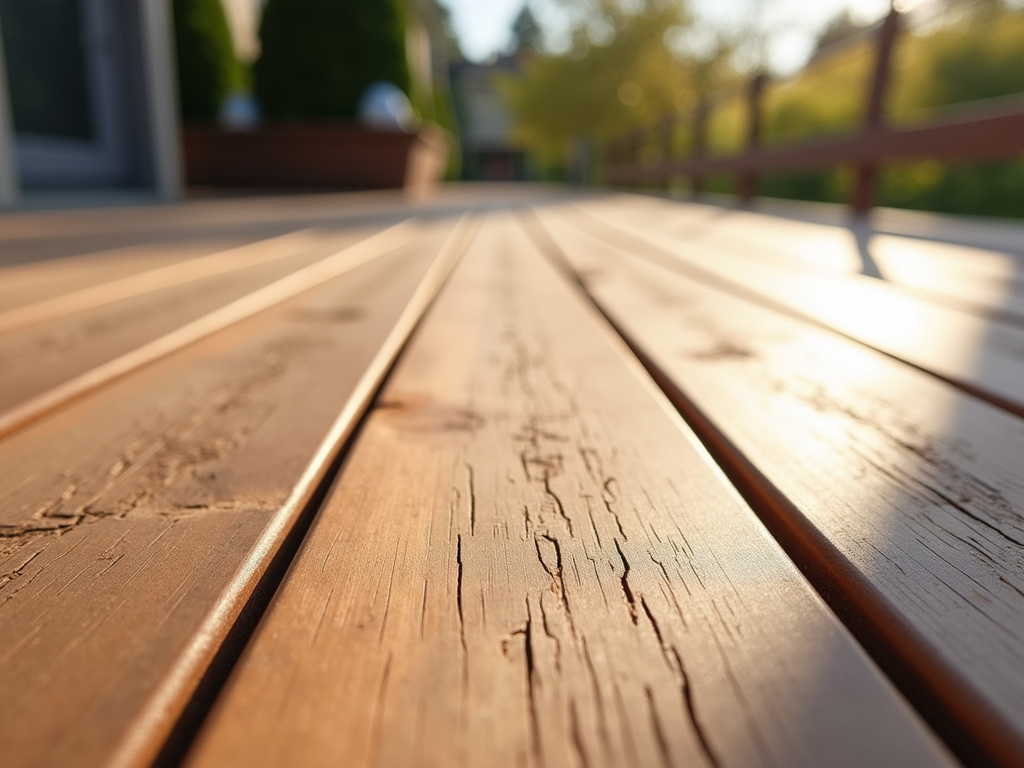
Regular cleaning and sealing are essential for preventing rot and mold growth, especially in humid climates like Austin. A powerful pressure washer can remove dirt and debris, followed by a water-repellent sealer. For extreme cases, sandblasting may be required to eliminate built-up grime. Preventative maintenance is often more cost-effective than repairs. A $200 annual maintenance program can extend the life of a deck by years, saving thousands compared to a full replacement. This proactive approach ensures that your outdoor investment remains a valuable asset, enhancing your home’s value and providing endless summer evenings under the stars.
Frequently Asked Questions About Decks
What are the different types of deck materials available?
The decks can be constructed from a variety of materials, each with its own advantages and maintenance requirements. Common options include pressure-treated wood, which is resistant to rot and insects; composite materials, made from a mix of plastic and wood fibers, offering low maintenance and a wide range of colors; and exotic woods like ipe or teak, known for their durability and unique aesthetics but may require more upkeep.
How do I choose the right deck material for my needs?
Consider your budget, desired maintenance level, climate, and aesthetic preferences. Wood is classic but needs regular sealing and staining. Composites are low-maintenance but may not offer the same range of visual appeal. Exotic woods provide superior beauty but come at a higher price point and require specialized care.
What factors should I consider when designing my deck?
Deck design involves determining size, layout, and features. Think about traffic flow, privacy, and functionality. Sloped yards may necessitate multi-level the decks. Consider adding built-in seating, fire pits, or lighting for enhanced enjoyment. Local building codes and property lines also play an important role in design.
How much does it cost to build a deck?
Deck construction costs vary widely based on size, materials, complexity, and local labor rates. On average, a 250-square-foot deck can range from $5,000 to $15,000 or more. DIY projects tend to be less expensive than hiring a professional contractor, but complex designs may still require expert help.
When is the best time to build or replace a deck?
Spring and early summer are typically the best times for deck construction, as weather conditions are favorable. This allows for proper drying time for materials and facilitates timely completion. Replacing a deck can be done year-round, but planning and ordering materials in advance ensures a smoother process during the best construction season.
How do I maintain my deck to ensure longevity?
Regular cleaning and sealing are essential. Use a deck cleaner to remove dirt and mildew. Apply a water-based sealer or stain to protect the wood, enhancing its appearance and prolonging its lifespan. Check for loose boards and nails regularly, and address any issues promptly. A well-maintained deck can last 25 years or more.
As we’ve explored the multifaceted world of the decks, from initial planning to maintenance, several key insights emerge. First, understand that local building codes and HOA regulations are paramount; adhering to these ensures your deck complies with safety standards and avoids future disputes. Engaging with professionals like the Deck Builders Association and Outdoor Living Experts provides invaluable guidance, ensuring your project aligns with current best practices.
The design phase is not just about aesthetics; it involves considering factors like materials, local climate, and intended use. Composite decking offers low maintenance and better weather resistance compared to traditional wood. Once installed, proper deck maintenance programs are important for longevity. Regular cleaning, sealing, and repairs extend the life of your investment, enhancing its value.
Beyond individual homes, public parks departments and neighborhood associations recognize the community impact of well-designed the decks. They foster outdoor living spaces that bring people together, contribute to urban renewal initiatives, and even support community fundraising events. By prioritizing thoughtful deck construction and upkeep, we can enhance our neighborhoods and the quality of life they offer.
planning, design, and maintenance are cornerstones of successful the decks. Engaging with experts, understanding local regulations, and adopting proactive maintenance strategies are proven ways to create not just structures, but vibrant gathering places that enrich our communities.
Golden State Builders
3355 Bee Caves Rd Ste 101, Austin, TX 78746
Website: gsbuildersgrouptx.com
View Golden State Builders on Google Maps
How to get to Golden State Builders from Austin High School
Starting near Austin High School? Golden State Builders is close by. Head out on W Cesar Chavez St and you'll find us on Bee Caves Rd Ste 101 at 3355 Bee Caves Rd Ste 101, Austin, TX 78746. Use the map below for turn-by-turn directions.
For related local guidance, see our decks resources.