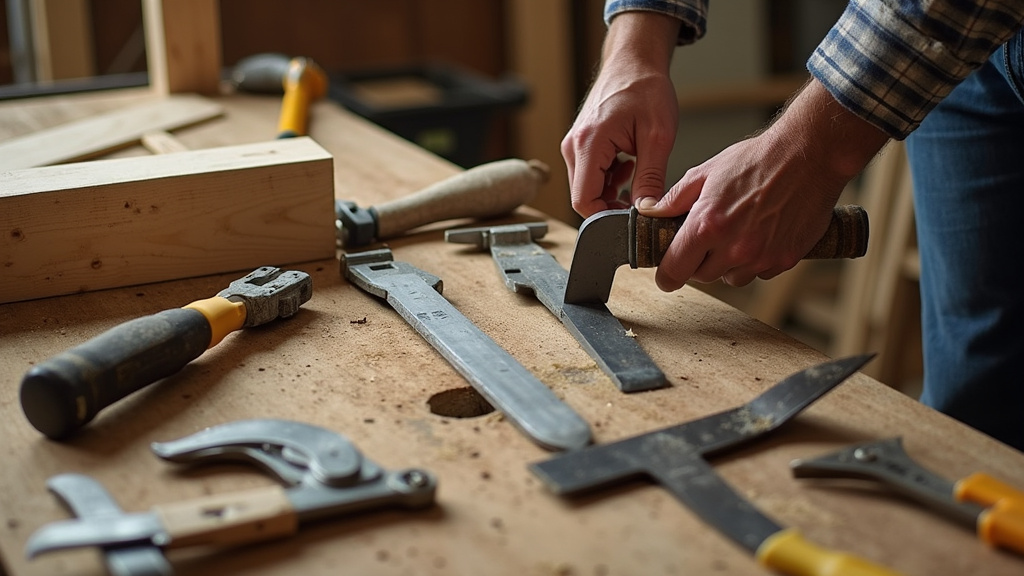
In today’s world, decks have evolved from mere outdoor extensions to versatile living spaces that enhance our lifestyle and property value. Whether it’s a cozy gathering spot for family dinners or an entertaining area for guests, well-designed decks offer a unique blend of functionality and aesthetics. However, creating or improving a deck presents challenges, from selecting the right materials to ensuring structural integrity and safety. This comprehensive guide delves into the intricacies of decks, providing expert insights and practical solutions to help you build or enhance a space that truly reflects your style and meets your needs.
Planning Your Dream Decks: Design Considerations
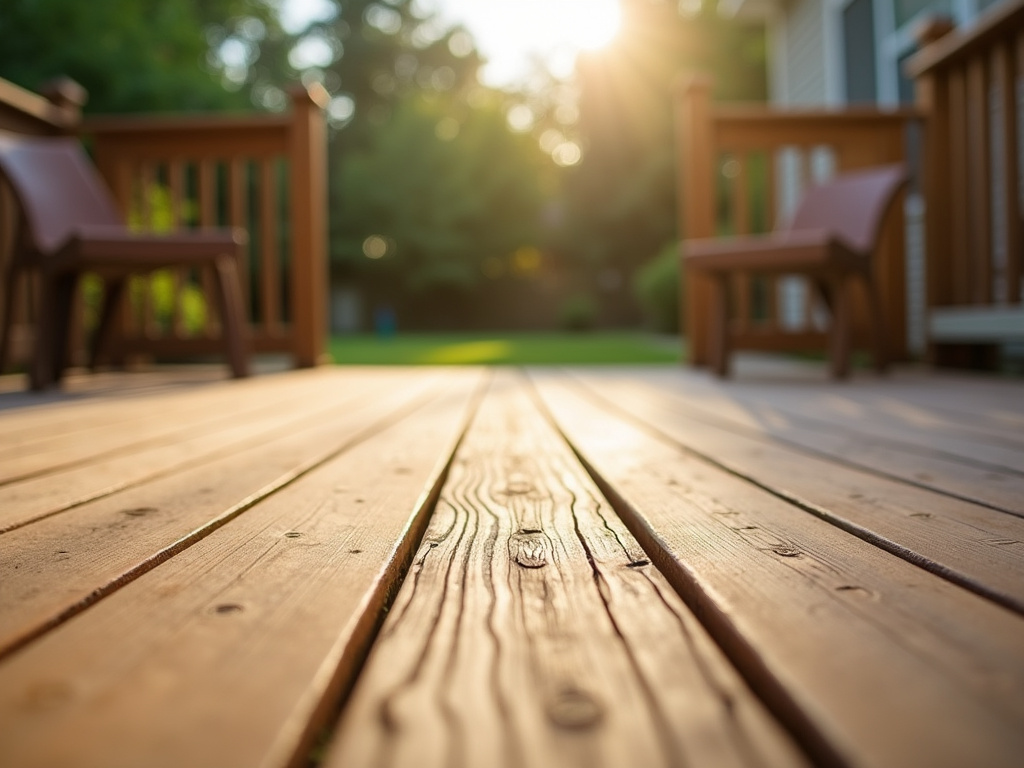
Planning your dream decks involves careful consideration of design elements that ensure both aesthetics and functionality. In Austin, the process typically begins with assessing your outdoor space, determining the purpose of the deck, and considering its placement. The design should complement your home’s architecture and integrate seamlessly with the surrounding landscape. For instance, a multi-level deck can create a dynamic visual interest, while a simple, low-to-the-ground design can provide a serene retreat. It’s important to remember that decks in Austin can vary greatly in size and complexity, with some expansive decks spanning hundreds of square feet without requiring a permit, according to local building codes.
Deck Contractors in Austin: Where to Start
Looking for deck contractors in Austin, TX? Golden State Builders serves the local area and can answer questions specific to Austin.
One of the key design considerations is the materials used. Wood decks offer a classic look and are relatively low maintenance, but they require regular sealing and staining. Composite decks, on the other hand, are more durable, require less maintenance, and offer a wider range of colors and styles. When deciding on a design, it’s worth considering whether a deck is worth the investment in your Austin property. According to a recent survey, outdoor living spaces like decks have seen a significant increase in value, with many homeowners reporting a return on investment of 70-100%. This makes decks a smart choice for enhancing your living space and increasing your property’s value.
Functionality should also drive your design choices. Consider how you’ll use the deck—as an entertainment space, a quiet reading nook, or a multi-purpose area for dining and relaxation. Incorporate features that support these uses, such as built-in seating, lighting, and a kitchenette. In terms of planning, ensure that the deck design aligns with local building codes and zoning regulations. By carefully planning and executing your dream decks, you can create a beautiful and valuable addition to your Austin home that enhances your lifestyle and property value.
| Factor | What to know |
|---|---|
| Material choice | Wood is classic, low-cost; composite is durable with less maintenance |
| Return on investment | Decks offer 70-100% return on investment |
| Lumber size | 2x6 suits standard decks; 2x8 for heavier use or larger decks |
| Best building season | Spring or fall offers favorable weather and smoother construction |
| Permit threshold | Decks under 30 sq ft typically don't require a permit |
| Foundation setup | Use securely anchored concrete footings for the deck foundation |
Building and Installation: Step-by-Step Guide
Building and installing a deck is a significant project that can transform your outdoor living space. To ensure a successful outcome, follow these detailed steps. Firstly, assess your property and determine the deck’s layout and size. Consider the best location, factoring in sunlight, shade, and proximity to your home. Once you’ve decided on the placement, create detailed plans, ensuring compliance with local building codes and regulations, especially in Austin, where the Decks process involves specific permits.
Next, acquire the necessary materials, including high-quality lumber, fasteners, and decking boards. Quality is crucial, especially for structural integrity and longevity. Choose a material that suits your budget and aesthetic preferences, with options like composite, pressure-treated wood, or natural hardwood. The best time to build a deck is during the spring or fall, when weather conditions are more favorable, allowing for a smoother construction process.
Installation begins with preparing the site. Clear the area, remove any grass or plants, and ensure the ground is level. Set the deck’s foundation, typically using concrete footings, ensuring they’re securely anchored. Framework construction follows, involving stringers, joists, and beams. Ensure these are properly braced and aligned. After the framework is complete, attach the decking boards, securing them with fasteners. Final touches include adding railings, stairs, and any additional features like lights. Remember, what constitutes the largest deck without a permit varies by region, so consult local authorities to avoid legal issues.
Maintenance and Enhancement: Longevity Tips
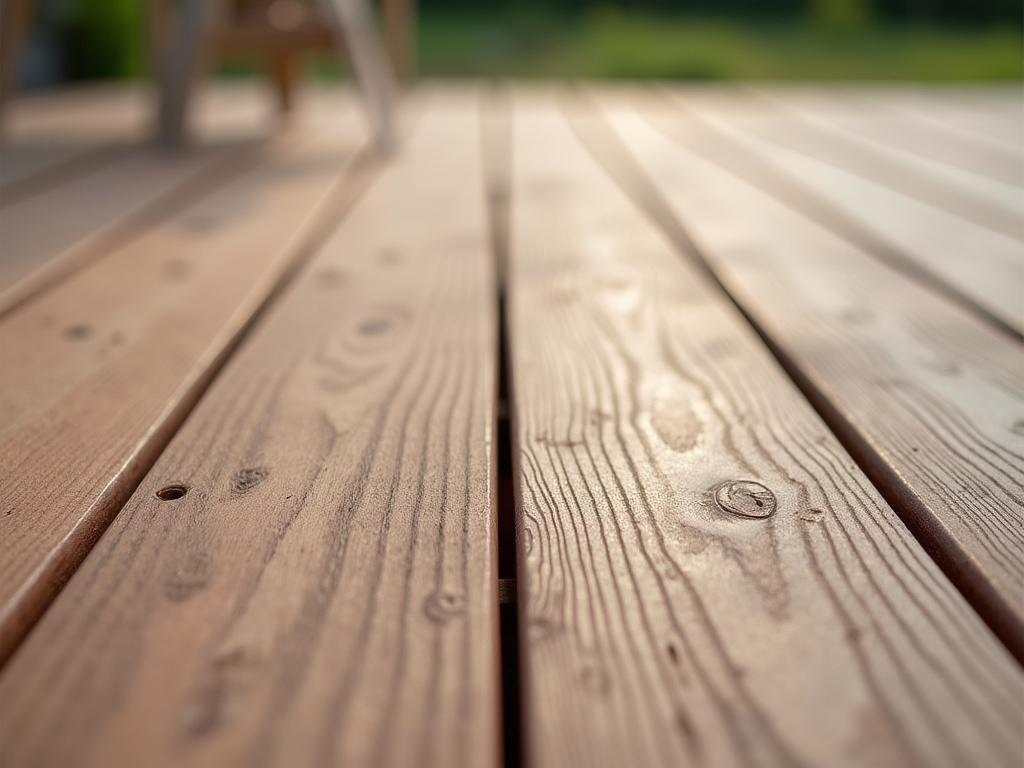
Maintaining and enhancing your deck is essential to ensure its longevity and keep it looking its best for years to come. A well-cared-for deck not only adds beauty to your outdoor space but also increases the value of your property. When it comes to deck maintenance, regular cleaning and sealing are non-negotiable. Start by sweeping and removing any debris, followed by a thorough cleaning with a deck cleaner to remove stains and buildup. After cleaning, apply a high-quality sealcoat to protect the wood from the elements.
One of the critical decisions when building or maintaining a deck is the choice between 2×6 and 2×8 lumber. For a standard deck with moderate traffic, 2×6 is often sufficient. However, for heavier use areas or if you’re building a larger, more complex deck, 2×8 provides greater stability and strength. Keep in mind that while 2×8 may be slightly more expensive, it offers a longer lifespan and reduced warping or splitting.
Determining the largest deck size that requires no permit varies by location and local building codes. As a general guideline, decks under 30 square feet typically don’t need permits, while larger structures might. It’s essential to check with your local building department to understand the specific regulations in your area. For instance, in some cities, any deck over 40 square feet may require a permit, while others have different thresholds based on height and location.
The best time to build a deck is during the spring or early summer when weather conditions are favorable. According to deck builders, this period allows for ample time to complete the project without rush, ensuring higher-quality workmanship. Avoiding the peak season (late summer, early fall) can also help you save on labor costs and avoid delays caused by bad weather. Additionally, planning during these off-peak months gives you more flexibility to make design changes or incorporate desired features without the pressure of a tight timeline.
Golden State Builders
3355 Bee Caves Rd Ste 101, Austin, TX 78746
Website: gsbuildersgrouptx.com
View Golden State Builders on Google Maps
How to get to Golden State Builders from Cathedral of Junk
If you’re over by Cathedral of Junk, you’re only a few minutes from Golden State Builders. Head out on Lareina Dr and you’ll find us on Bee Caves Rd Ste 101 at 3355 Bee Caves Rd Ste 101, Austin, TX 78746. Use the map below for turn-by-turn directions.
For related local guidance, see our decks resources.