Decks: Unlocking the Potential of Versatile Spaces
Introduction
Decks, an architectural marvel and outdoor living extension, have transformed the way we utilize and appreciate our surroundings. This article aims to delve into the multifaceted world of decks, exploring their design, global impact, economic significance, technological innovations, regulatory frameworks, and their evolving role in society. By the end, readers will gain a comprehensive understanding of decks as more than just elevated platforms—they are versatile spaces that enhance our lives, contribute to economies, and shape urban landscapes.
Understanding Decks: A Definition and Core Components
Definition:
A deck is a structured, outdoor platform built on top of a building or structure, typically extending from the ground level or a higher story. It serves as an extension of indoor living spaces, offering a transition between the interior and exterior environments.
Core Components:
- Structural Framework: Decks are supported by a framework of joists, beams, and posts, often made of wood, metal, or composite materials. This structure ensures stability and carries the weight of the deck surface and any additional features.
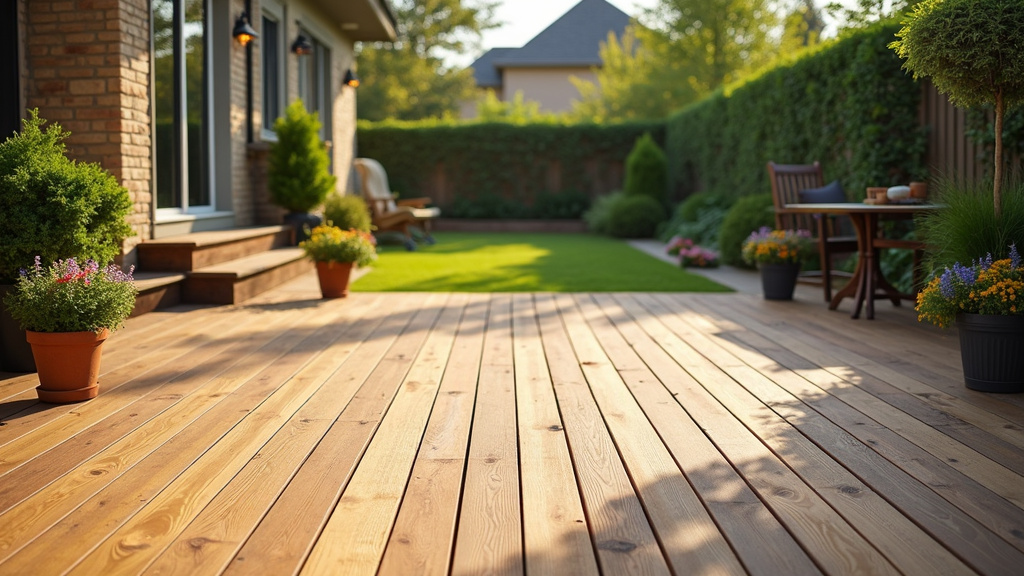
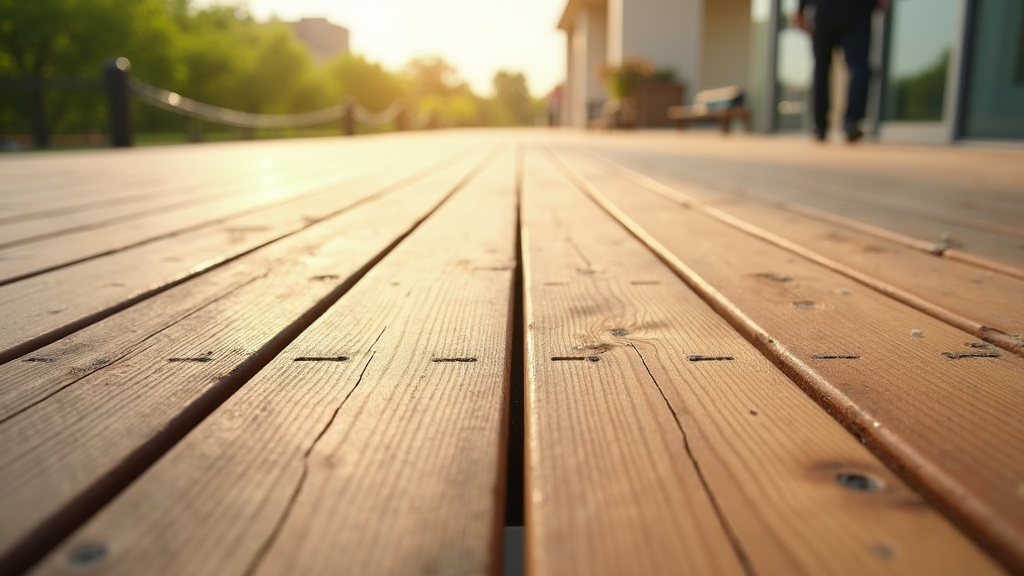
- Deck Surface: The walking surface can be made from various materials, including wood planks, composite decking, tile, or stone. The choice influences the deck's appearance, durability, and maintenance requirements.
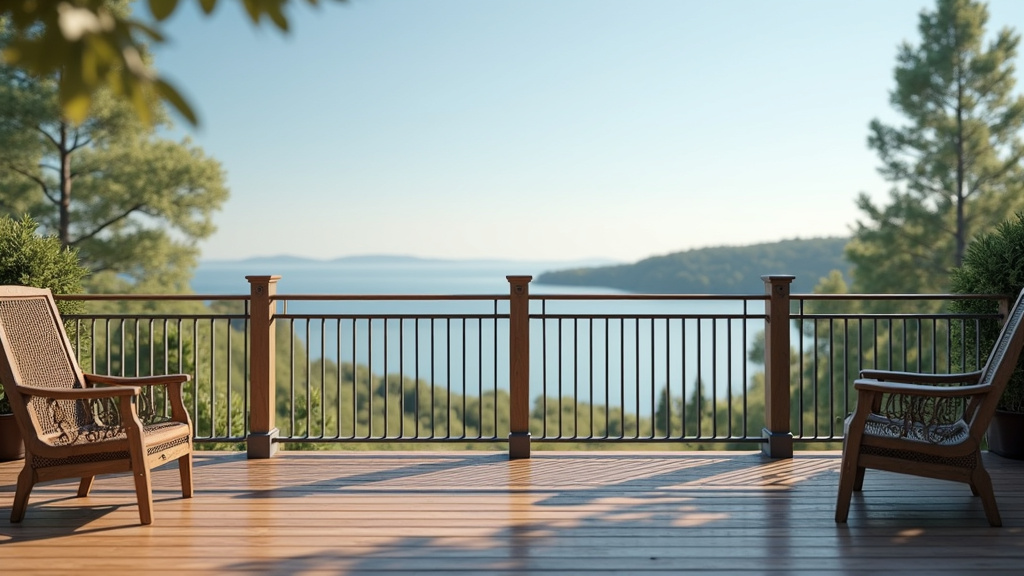
- Railings and Guardrails: Safety is paramount, and railings and guardrails provide a critical barrier to prevent falls. They are typically installed along the perimeter of the deck and can be made from wood, metal, glass, or cable systems.
- Footings and Foundation: A solid foundation is essential for structural integrity. Footings distribute the load of the deck and ensure it remains level over time. They can be concrete slabs, pier and beam systems, or other engineered solutions.
- Decking Materials: Beyond the surface, various materials are used for decking, including treated lumber, composite boards, tropical hardwoods, and vinyl. Each offers unique benefits regarding durability, aesthetics, and maintenance.
Historical Context:
The concept of decks has roots in ancient civilizations, where elevated platforms served as observation points or temporary shelters. However, modern decks emerged during the 20th century with advancements in building materials and construction techniques. The post-World War II housing boom saw the widespread adoption of decks as a way to expand outdoor living spaces, particularly in suburban areas. Over time, deck design evolved from simple wooden platforms to sophisticated structures incorporating intricate railings, multiple levels, and integrated lighting.
Global Impact and Trends
Decks have left an indelible mark on the global architectural and construction landscape, with varying regional interpretations and trends:
- North America: The United States and Canada are known for their extensive deck usage, often featuring multi-level designs, elaborate railings, and integrated kitchens. Regional variations include the popular California-style decks with clean lines and tropical hardwoods, and the northern states' use of more durable materials like composite decking to withstand harsh winters.
- Europe: European decks tend to embrace natural materials, incorporating wooden decking and railing systems. Countries like Germany and Sweden have led in developing innovative, low-maintenance deck solutions, focusing on sustainability and long-term durability.
- Asia: In countries like Japan and China, decks are often integrated into traditional architecture, blending seamlessly with indoor-outdoor living concepts. The use of natural materials and minimalist designs is prevalent, reflecting cultural aesthetics.
- Latin America: Regions like Brazil and Argentina have embraced deck culture, particularly in urban areas, where they serve as social gathering spaces. Local traditions influence design, often featuring vibrant colors and intricate wood carvings.
- Global Trends:
- Sustainable Materials: There is a growing trend toward using eco-friendly materials, such as recycled composite decking and sustainable hardwoods certified by organizations like the Forest Stewardship Council (FSC).
- Integrated Living Spaces: Modern decks are designed to blur the lines between indoor and outdoor living, featuring kitchens, fire pits, and even home offices.
- Smart Decks: Technological advancements enable smart deck systems with automated lighting, music, and temperature control, enhancing the entertainment experience.
Economic Considerations
The economic impact of decks is multifaceted, influencing construction, real estate, and local businesses:
- Market Dynamics: Deck construction is a significant segment of the residential construction industry, contributing to overall economic growth. According to a 2021 report by the National Association of Home Builders (NAHB), an estimated $45.3 billion was spent on deck building in the United States alone.
- Investment Patterns: Decks often enhance property values, making them attractive investments. Well-designed and maintained decks can increase home equity, with some studies suggesting a return on investment of up to 70% or more when selling a home.
- Economic Impact on Businesses: The deck industry supports various businesses, including lumber yards, hardware stores, decking manufacturers, and landscaping companies. It also stimulates local economies through job creation and consumer spending in related sectors.
- Case Study: Deck Economy in suburban Seattle: In the vibrant suburbs of Seattle, Washington, deck construction has boomed over the past decade. According to a local industry survey, the average cost of a mid-range deck addition is around $15,000, with premium options reaching up to $30,000 or more. This spending has led to a thriving local market, with numerous businesses specializing in deck design and installation.
Technological Advancements
Technological innovations have revolutionized decks, enhancing their functionality, aesthetics, and sustainability:
- Composite Decking: One of the most significant advancements is composite decking, a blend of wood fibers and plastic. This material offers superior durability, resistance to rot and mold, and low maintenance compared to traditional wood decking. Composite decks are now available in various colors and styles, mimicking natural wood or offering unique visual appeals.
- Smart Decking Systems: Integration of smart technology has transformed decks into interactive spaces. Automated lighting systems, controlled by smartphone apps, can set the mood for different occasions. Solar-powered lights and energy-efficient fans enhance outdoor comfort without compromising sustainability.
- Digital Design Tools: Online deck design software allows homeowners and professionals to visualize and plan custom decks. These tools provide 3D models, material recommendations, and cost estimates, streamlining the design process.
- Future Trends:
- Self-Cleaning Decks: Researchers are developing self-cleaning coatings that use sunlight and water to eliminate dirt and stains, reducing maintenance requirements.
- Modular Deck Systems: Pre-fabricated modular decks offer faster installation times and reduced construction waste, making them an eco-friendly option.
- Biomimicry in Design: Drawing inspiration from nature, designers are creating decks with advanced materials that mimic natural patterns, enhancing both aesthetics and functionality.
Policy and Regulation
Decks are subject to various laws and regulations, ensuring safety, building codes, and environmental considerations:
- Building Codes: Local building codes govern deck construction, specifying minimum requirements for structural integrity, fire safety, and accessibility. These codes vary by region, influencing the design and materials used in deck projects.
- Zoning Regulations: Zoning laws may restrict the placement, size, and style of decks, especially in dense urban areas. Homeowners must ensure their deck designs comply with local zoning ordinances to avoid legal issues.
- Environmental Impact: In ecologically sensitive regions, regulations may limit the use of certain materials or require specific measures to protect nearby waterways and wildlife habitats.
- Permitting Processes: Construction of decks often requires permits, involving application processes, inspections, and fees. These procedures ensure compliance with building standards and safety regulations.
- International Regulations: In countries like Australia and New Zealand, the Building Code of Australia (BCA) and New Zealand Building Code (NZBC) provide comprehensive guidelines for deck construction, including load bearing capacities, railing requirements, and fire safety measures.
Challenges and Criticisms
Despite their widespread appeal, decks face several challenges and criticisms:
- Maintenance Requirements: While modern decking materials have reduced maintenance needs, decks still require periodic cleaning, sealing, and repairs to prevent rot, mold, and insect infestation.
- Structural Integrity Concerns: Improperly designed or installed decks can pose structural risks, especially in areas subject to extreme weather events like hurricanes or earthquakes. Regular inspections and adherence to building codes are essential.
- Environmental Impact: The production and disposal of certain decking materials can have environmental consequences. Sustainable practices, such as using recycled materials and responsible sourcing, can mitigate these concerns.
- Accessibility and Universal Design: Traditional decks may present accessibility challenges for individuals with mobility impairments or disabilities. Incorporating features like ramp access, grab bars, and non-slip surfaces enhances inclusivity.
- Noise Pollution: In urban settings, decks can amplify nearby noise, especially if located near busy roads or high-traffic areas. Soundproofing measures and strategic placement can help mitigate this issue.
Strategic Solutions:
- Encourage the use of durable, low-maintenance materials to reduce long-term maintenance costs.
- Implement stringent building code enforcement to ensure structural safety and quality construction.
- Promote sustainable decking practices and educate consumers about eco-friendly options.
- Integrate universal design principles during deck planning to cater to diverse user needs.
- Address noise pollution concerns through innovative sound-absorbing materials and strategic landscaping.
Case Studies: Successful Deck Applications
1. Urban Rooftop Oasis—Toronto, Canada
In the bustling city of Toronto, a creative architecture firm transformed an abandoned rooftop into a vibrant urban oasis. The project involved building a multi-level deck with integrated gardening beds, outdoor kitchens, and comfortable seating areas. This innovative design provided much-needed green spaces in the heart of the city, promoting community interaction and enhancing the overall urban landscape.
Lessons Learned:
- Integrating decks into urban settings requires creative planning to maximize limited space.
- Green roofs and vertical gardens can enhance biodiversity while providing recreational areas.
- Community engagement and collaboration lead to successful urban renewal projects.
2. Sustainable Beachside Resort—Bali, Indonesia
A luxury resort in Bali embraced the natural beauty of its surroundings by incorporating decks into its design philosophy. The resort features elevated wooden decks with thatched roofs, blending seamlessly with the tropical landscape. These decks provide private outdoor retreats for guests, complete with daybeds and outdoor showers. The use of sustainable materials and passive cooling techniques ensures a minimal environmental footprint.
Key Takeaways:
- Natural, locally sourced materials enhance the aesthetic appeal and cultural connection of decks.
- Sustainable design principles can create luxurious outdoor spaces while preserving the environment.
- Blending traditional architecture with modern amenities offers guests an immersive experience.
3. Community Gathering Space—Seattle, Washington
A local non-profit organization in Seattle revitalized a community park by building a large communal deck. The deck became a central gathering space for residents of all ages, featuring seating areas, a fire pit, and a small stage for community events. This project fostered social cohesion and provided a safe outdoor venue for cultural activities.
Insights:
- Decks can serve as catalysts for community building and engagement in urban areas.
- Collaborative design processes involving local residents lead to more meaningful and successful public spaces.
- Incorporating social amenities like fire pits and stages encourages community interaction and cultural expression.
Future Prospects: Emerging Trends and Growth Areas
The future of decks looks bright, with several emerging trends and growth areas shaping the industry:
- Smart Home Integration: As smart home technology advances, decks are poised to become even more connected. Integrated lighting, sound systems, and security features will enhance user experiences, making decks part of the overall smart home ecosystem.
- Sustainable and Eco-Friendly Materials: The demand for environmentally conscious decking options will continue to grow. Biodegradable materials, recycled composites, and sustainable hardwoods will be in high demand as consumers prioritize eco-friendly choices.
- Modular and Pre-Fabricated Decks: Rapidly assembled modular decks offer faster installation times, reduced waste, and cost savings. This trend is particularly appealing for temporary or portable deck solutions.
- Biophilic Design: Drawing inspiration from nature, biophilic design will feature heavily in deck creation. Incorporating natural materials, organic shapes, and plants will enhance the connection between people and the outdoors.
- Virtual Design and Planning: Advanced 3D modeling software and virtual reality (VR) technology will enable homeowners and designers to visualize and plan decks more effectively. This technology allows for real-time design iterations and client approvals.
Conclusion: Decks as Dynamic Outdoor Living Spaces
Decks have evolved from simple outdoor platforms to sophisticated, multi-functional spaces that define our modern lifestyle. Their global impact is evident in diverse cultural settings, with regional variations reflecting local aesthetics and climates. As technology advances, decks will continue to revolutionize outdoor living, offering enhanced comfort, connectivity, and sustainability.
By embracing innovative materials, design solutions, and regulatory frameworks, the deck industry can address challenges and capitalize on emerging trends. The future prospects for decks are promising, with a focus on sustainable practices, smart integration, and community-centric designs. As we navigate an increasingly urbanized world, decks will remain integral to our outdoor living experiences, connecting us to nature and each other in unique and meaningful ways.
FAQ Section: Addressing Common Concerns
Q: How much does it cost to build a deck?
A: Deck costs vary widely depending on size, materials, location, and complexity of design. On average, the price range for a basic wooden deck can be anywhere from $5,000 to $30,000 or more. Custom designs, composite decking, and additional features like kitchens or waterfalls will significantly increase costs.
Q: What is the best material for a deck?
A: The "best" material depends on personal preference, climate, budget, and maintenance considerations. Traditional wood decks offer charm and versatility but require regular maintenance. Composite decking is low-maintenance and durable but may be more expensive. Steel or aluminum decks are strong and corrosion-resistant but can be cold and lack natural aesthetics.
Q: Can a deck add value to my home?
A: Absolutely! Decks are known to enhance property values, with some studies suggesting a return on investment of up to 70% or more when selling a home. Well-designed and maintained decks can create desirable outdoor living spaces, making homes more attractive to potential buyers.
Q: How do I ensure my deck is safe and structurally sound?
A: Regular inspection and adherence to local building codes are essential for deck safety. Ensure proper fastening of all components, check for rot or damage, and maintain adequate spacing between joists. Consider hiring a professional deck inspector to assess structural integrity, especially after severe weather events.
Q: What environmental considerations should I keep in mind when building a deck?
A: Minimize the use of non-sustainable materials and opt for recycled or locally sourced options whenever possible. Properly manage drainage to prevent water pollution, and consider planting native vegetation to support local ecosystems. Some regions have specific regulations regarding the use of certain decking materials near waterways and wildlife habitats.