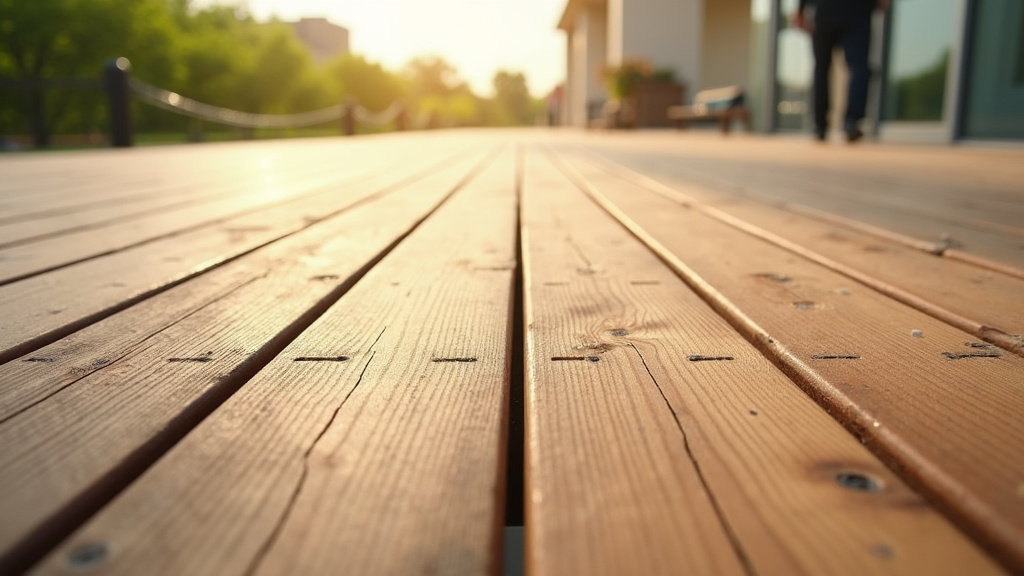
Decks are integral to modern outdoor living, enhancing homes and communities with versatile spaces for entertaining, relaxing, and enjoying the outdoors. However, the surge in deck construction has sparked regulatory challenges, particularly regarding building codes, Homeowners Association (HOA) regulations, and local planning department reviews. This article examines into the intricate world of decks, exploring legal considerations, client services, and community impact. By examining these aspects, we provide a practical guide for deck owners, builders, and community leaders navigating the complexities of this popular outdoor amenity. Our goal is to equip readers with the knowledge to make informed decisions, ensuring compliance and enhancing the value of their deck spaces.
Planning and Design: Setting the Stage for Successful Decks
In Austin, the process of planning and designing a deck involves a series of strategic steps that ensure both structural integrity and aesthetic appeal. It begins with understanding the local building codes and HOA regulations that govern deck construction. The city of Austin mandates specific load-bearing requirements for the service, and nearby HOA regulations may prohibit or restrict certain types of designs. Builders must also ensure that all work is carried out by licensed contractors to comply with contractor license regulations.
The largest deck in Austin that doesn’t require a permit typically sits within a residential backyard, measuring around 400 square feet. This size allows for ample outdoor living space without exceeding the threshold that triggers permit requirements. However, even without a permit, it’s important to design these structures with safety in mind. A well-planned deck should incorporate adequate railings, proper footing, and sturdy materials to support both weight and weather conditions.
Deck Contractors in Austin: Where to Start
Looking for deck contractors in Austin, TX? deck repair serves the local area and can answer questions specific to Austin.
Is a deck worth the investment in Austin? The answer lies in the long-term benefits. Well-designed and maintained the service can significantly increase property value, providing a functional and attractive outdoor space for entertaining guests or simply enjoying the Texas sun. According to the Deck Builders Association, outdoor living spaces have seen a 15% increase in popularity over the past five years, with Austin’s market no exception. Custom deck design that incorporates elements like built-in seating, fire pits, or outdoor kitchens can further enhance both the functionality and value of your property.
Community impact also matters in the deck planning process. Public parks departments and neighborhood associations often have guidelines for deck construction to preserve the aesthetic and functional integrity of residential areas. community fundraising events and urban renewal initiatives may offer incentives or grants for outdoor living projects that align with neighborhood improvement goals. By carefully navigating these regulations and leveraging the right design elements, Austin residents can create the service that not only meet their needs but also contribute to the overall vibrancy of their communities.
| Factor | What to know |
|---|---|
| Permit-free size | Decks up to about 400 sq ft often don't require a permit |
| 3/4/5 construction rule | Joists 3 ft apart, 4 ft min height, 5 ft clearance |
| Material value retention | Wood depreciates 7.5%/yr; aluminum retains 75-85% value |
| Joist size choice | 2x8s for spans 10+ ft; 2x6s for smaller decks |
| Annual inspection | 20x20 wood decks should be checked yearly for damage |
| Market popularity | Outdoor living spaces rose 15% in popularity over five years |
Construction and Materials: Building the Backbone of Your Deck
When constructing a deck, the foundation—or backbone—is paramount. It’s not just about the structural integrity of the structure; it’s also about longevity, aesthetics, and functionality. The materials and methods employed in deck construction significantly impact the final product’s quality, durability, and cost-effectiveness. The 3/4/5 rule—a widely accepted industry guideline—dictates that joists should be spaced at least 3 feet apart, with a minimum deck height of 4 feet, and a minimum clearance of 5 feet around the deck for safety and accessibility.
In Austin, where the climate presents unique challenges, the choice of materials becomes even more critical. The city’s hot, humid summers and occasional winters necessitate durable, weather-resistant options. Treated lumber, pressure-resistant composite materials, and aluminum are popular choices among Austin residents. Among these, aluminum the service offer superior corrosion resistance, low maintenance, and a high return on investment. A study by the National Association of Home Builders found that, on average, wood the service depreciate by 7.5% annually, while aluminum the service retain 75-85% of their value, making them a wise investment for homeowners.
The decision between 2×6 and 2×8 joists depends on several factors. 2x8s are generally recommended for higher load capacities and wider deck spans, as they provide greater structural strength. A deck spanning 10 feet or more might require 2x8s to support the weight of furniture, appliances, and people without sagging or compromising structural integrity. However, 2x6s are more common for smaller, less-demanding the service, as they are both lighter and less expensive. The right choice ultimately depends on the deck’s size, intended use, and local building codes, which vary across regions and must be adhered to strictly. Homeowners in Austin, for example, must consult with local planning departments and adhere to HOA regulations, which can dictate specific materials, spacing, and construction methods.
Deck builders in Austin often recommend ongoing maintenance, such as periodic cleaning, sealing, and refinishing, to protect against the elements and prolong the life of the structure. Custom deck design services, offered by professionals like those affiliated with the Deck Builders Association, can ensure that the finished product not only meets but exceeds expectations, integrating smoothly with the home and outdoor living space. Outdoor Living Experts often incorporate unique features like built-in seating, fire pits, or outdoor kitchens, enhancing the deck’s functionality and value as a premier outdoor living space.

Maintenance and Safety: Ensuring Longevity and Secure Use of The service
Maintaining and ensuring the safety of the service is paramount for prolonging their lifespan and safeguarding users, especially in a dynamic urban environment like Austin. Regular care and adherence to both building codes and homeowners association (HOA) regulations can prevent costly repairs and mitigate risks. A 20×20 wood deck, a common size in Austin, should be inspected annually for rot, loose boards, or damaged fasteners, addressing issues promptly to avoid structural failures.
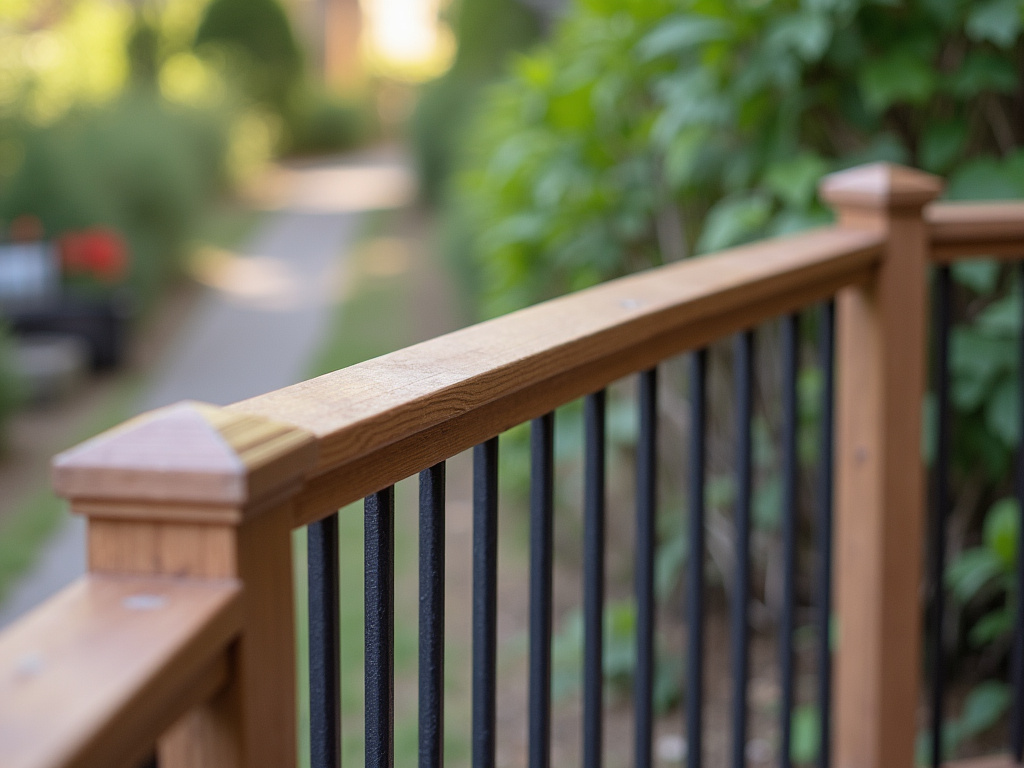
Safety measures extend beyond regular maintenance. Deck builders in Austin, like those affiliated with the Deck Builders Association, emphasize the importance of proper railings and stair railings, ensuring they meet current safety standards. These features are critical for preventing falls, especially on higher levels or sloped sections. According to the American Association of Field and Architectural Professionals, an average of 10,000 non-fatal fall injuries from the service are reported annually in the U.S., underscoring the need for solid safety features.
Cost considerations are also essential. While the upfront investment in a custom deck design can be significant, with a 20×20 wood deck potentially costing $15,000 to $30,000 or more, depending on materials and complexity, well-maintained the service offer a return on investment over time. Regular cleaning, sealing, and repairs can extend the life of a deck by years, making it a worthwhile investment for Austin homeowners. The best builders in the city, recognized for their exceptional craftsmanship and safety compliance, often offer comprehensive maintenance programs that include annual inspections and ongoing care, ensuring the service remain functional and safe for years to come.
the service can contribute to the community and urban renewal initiatives. Local parks departments and neighborhood associations often organize community fundraising events centered around deck usage, promoting outdoor living and strengthening community bonds. By prioritizing deck safety and maintenance, Austin residents not only enhance their own living spaces but also contribute to the vibrancy and well-being of their communities.
Frequently Asked Questions About The service
What are the different types of deck materials available?
The service can be constructed from a variety of materials, each with its own benefits. The most common choices include wood (such as cedar and pressure-treated pine), composite materials (like decking boards made from a mix of wood fibers and plastic), and vinyl. Each material has different maintenance requirements. Wood requires regular staining and sealing, while composites and vinyl are low-maintenance and fade-resistant.
How do I decide on the size and layout of my deck?
The size and layout of your deck should fit the space you have available and your intended use. Consider factors like seating capacity, dining area needs, and sun exposure. A well-designed deck smoothly blends with its surroundings, so choose a layout that complements your home’s architecture and your garden’s features. A rule of thumb is to leave enough space for furniture and circulation, typically 3-4 feet between seating areas.
What permits or regulations might I need for deck construction?
Before starting any deck project, check local building codes and zoning regulations. Permits may be required for the service that exceed certain height or square footage thresholds. Contact your local building department or a professional deck contractor to understand the specific requirements in your area. Compliance ensures your deck is safe and up to code.
How can I make my deck more functional and comfortable?
Enhance your deck’s functionality by incorporating features like built-in lighting, a built-in grill or fire pit, and storage benches. Comfortable seating arrangements, outdoor curtains for shade, and a water feature can transform your deck into a relaxing oasis. Consider adding a railing or fence for safety and privacy, especially if the deck is at a higher elevation.
What are some cost-saving tips for deck installation?
To keep deck installation costs manageable, create a detailed budget and stick to it. Compare quotes from multiple deck builders to ensure you’re getting a fair price. Opting for simpler designs or using more affordable materials can reduce expenses. Consider DIY methods for specific tasks, but remember that professional expertise is important for structural integrity.
As we’ve explored the multifaceted world of the service, several key insights emerge. First, meticulous deck planning and design, guided by building codes, HOA regulations, and consultation with professionals like the Deck Builders Association, sets the stage for a durable and functional structure. Second, informed choices about construction materials, guided by local planning departments and industry experts, ensure your deck’s longevity and safety. Lastly, proactive deck maintenance, backed by tailored programs from outdoor living experts, is important for securing a safe and enjoyable space for years to come. By integrating these insights into your deck project, you’ll create a valuable outdoor living extension that enhances your community’s overall quality of life, reflecting the impact of thoughtful deck design and care.
Golden State Builders
3355 Bee Caves Rd Ste 101, Austin, TX 78746
Website: gsbuildersgrouptx.com
View Golden State Builders on Google Maps
How to get to Golden State Builders from Randalls
If you're over by Randalls, you're only a few minutes from Golden State Builders. Head out on W Ben White Blvd and you'll find us on Bee Caves Rd Ste 101 at 3355 Bee Caves Rd Ste 101, Austin, TX 78746. Use the map below for turn-by-turn directions.
For related local guidance, see our decks resources.